
Beyond the Machine: Why True Justice Requires a Heart, Not Just a Rulebook
For centuries, mainstream philosophy taught us that justice is a cold, mathematical formula. We were told that a fair society is built by writing abstract, universal rules and enforcing them blindly, completely detached from human emotion.
But if you look at the world as it is actually lived, that mechanical worldview falls apart.
When we look through the lens of lived experience—a perspective championed by history’s greatest women thinkers—we see a profound truth: Laws alone do not change structural power. True justice cannot be a mechanical process of “fixing” a broken rule; it must be an empathetic, emotional act of giving justice to a human soul.
Here is how we get past the “machine mindset” to build a justice system that actually works for real people.
The Blueprint vs. The Reality: Structural Power & Situated Freedom
Traditional political theory loves the idea of the Social Contract—the notion that we all voluntarily agreed to a set of laws that treat everyone equally.
But this abstract blueprint ignores our situated freedom.
We do not enter the world as identical, detached minds. We are born into physical bodies, with different hormones, races, economic classes, and genders. These biological and social realities dictate the choices actually available to us.
- The Trap of the Law: Writing an equal pay law or an anti-discrimination act doesn’t instantly erase bias.
- The Matrix of Power: Power operates beneath the surface of written laws. If a concept of justice ignores a person’s specific situation, the blind application of a rule becomes an act of cruelty.
Rules are the Shield, Not the Cage
Rejecting a cold, robotic legal system does not mean abandoning rules altogether. Rules are fundamental.
Without objective, universal standards against stealing, lying, and exploitation, we have no weapon to hold powerful people accountable. But the purpose of the rule must change:
- The Machine View: A rule is an absolute duty you follow blindly, regardless of the consequences.
- The Human View: A rule is a guardrail for human relationships. We have rules because we acknowledge that humans are vulnerable, interdependent, and need protection from systemic exploitation.
Why Intent and Emotion are the Fuel of Justice
Traditional systems claim that emotion ruins objectivity. In reality, without emotion, we cannot perceive suffering.
Empathy is the sensory organ that allows us to see another person’s situated reality. To deliver true justice, we must look past the physical action and interrogate the intent:
- There is a massive structural difference between a starving person stealing a loaf of bread to survive and a billionaire corporation stealing taxes.
- The mechanical mind treats them as the same broken rule.
- The empathetic mind considers intent and power dynamics to deliver genuine fairness.
True Justice is an Action, Not a Transaction
When a system is designed merely “to fix,” it treats human beings like broken parts in a factory. It identifies a broken rule, applies a standardized penalty, and clears the paperwork. It leaves the underlying pain, trauma, and structural inequality untouched.
True Justice is different. It is driven by the active intent to give justice, not just to fix a mechanism.
| The “Fixing” Mindset (The Machine) | The “Giving” Mindset (True Justice) |
|---|---|
| Focuses on abstract, rigid procedures. | Focuses on raw, lived human experiences. |
| Treats people as isolated, autonomous units. | Recognizes human vulnerability and interdependence. |
| Applies blind rules in a vacuum. | Adjusts the rules to fit situated realities. |
| Erases emotion to maintain a false “objectivity.” | Uses empathy as a tool to diagnose harm and restore dignity. |
The Ultimate Threat: The Rise of the AI Machine
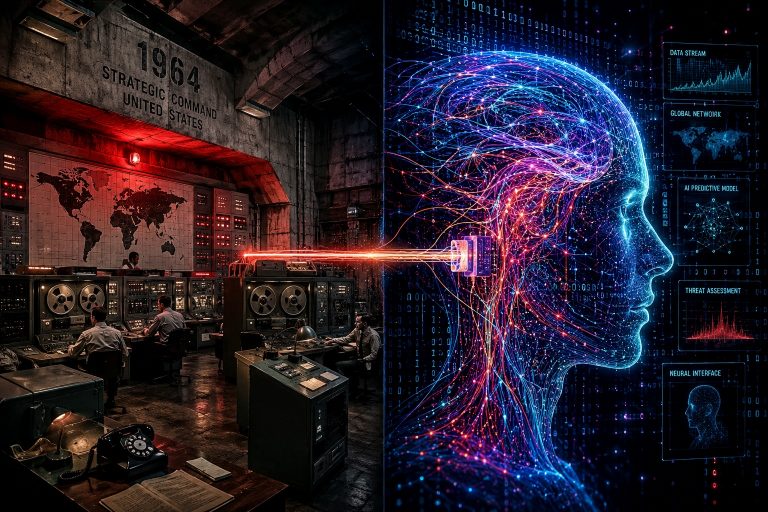
This philosophical debate is no longer just happening in textbooks—it is happening in the code of Artificial Intelligence.
As we rapidly hand over decision-making, legal grading, and social systems to AI, we are creating the ultimate “fixing machine.” AI is pure math; it runs on strict, cold rules. It lacks the very sensory organ required to deliver true justice: empathy.
- Algorithmic Oppression: AI cannot understand structural power.
- Data Points vs. Lived Experience: AI cannot comprehend situated freedom.
If we automate justice using AI without human care, we are headed for a catastrophic blunder. We will create a world that is perfectly optimized on paper, but completely cold, blind, and cruel in reality.
The Ultimate Verdict
True justice is achieved when our fundamental rules are strong enough to hold the powerful accountable, but flexible enough to treat every individual’s unique, situated life with radical empathy.
We must stop trying to bend human beings to fit inside rigid, abstract boxes. It’s time to build a world that keeps human care and empathy at the heart of the justice system.